
Undergoing open spine surgery can feel overwhelming, especially when you are unsure about how long recovery will take or what daily life will look like after the procedure. While modern spine surgery has become more advanced, recovery still requires patience, proper rehabilitation, and careful adherence to your surgeon’s instructions.
The open spine surgery recovery period varies from person to person. The type of surgery, the spinal condition being treated, the number of spinal levels involved, your overall health, age, and physical activity before surgery can all influence how quickly you recover.
If you are considering surgery, understanding the recovery process can help you prepare physically and mentally for the journey ahead.
What Is Open Spine Surgery?
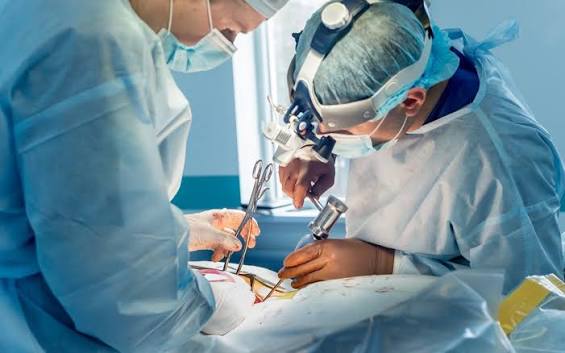
Open spine surgery is a traditional surgical approach in which the surgeon makes an incision to access the spine directly. It may be recommended for complex spinal conditions where extensive access, decompression, stabilization, or reconstruction is required.
Depending on the patient’s condition, open spine surgery may include procedures such as spinal fusion, laminectomy, discectomy, decompression, fracture treatment, or other reconstructive procedures.
Open surgery is not automatically the right choice for every patient. Some spinal conditions can be treated using minimally invasive or endoscopic techniques, while more complex cases may require traditional open surgery. A detailed evaluation and appropriate imaging are essential before deciding on the surgical approach.
How Long Does Open Spine Surgery Recovery Take?
One of the most common questions patients ask is, “How long does it take to recover from open spine surgery?”
There is no single recovery timeline that applies to everyone.
For relatively straightforward procedures, patients may gradually return to light activities within several weeks. More extensive procedures, particularly spinal fusion, may require several months for substantial healing and rehabilitation. Bone healing following fusion can continue for many months and, in some cases, longer.
Your surgeon will determine when you can return to work, drive, exercise, lift objects, and resume other activities based on your individual recovery.

The Different Stages of Open Spine Surgery Recovery
1. Immediately After Surgery
Immediately after open spine surgery, you will be monitored in the hospital while the effects of anesthesia wear off. Your medical team will monitor pain, movement, wound healing, and other important factors.
Depending on the procedure, you may be encouraged to get out of bed and walk with assistance relatively early. Learning how to sit, stand, walk, and get in and out of bed without unnecessarily twisting the spine is an important part of early recovery.
Pain, stiffness, tiredness, and discomfort around the surgical area can be expected during the early recovery period. Your surgeon will prescribe appropriate medication and provide instructions for managing these symptoms.
2. The First Few Weeks
The first few weeks after open spine surgery are focused on healing and gradually increasing activity.
Walking is generally encouraged as part of recovery, but strenuous exercise, heavy lifting, bending, and twisting may be restricted depending on your surgery. Short, frequent walks can help you gradually rebuild mobility and strength.
You should not compare your recovery with someone else’s. Two patients undergoing spine surgery may have completely different recovery timelines.
3. Rehabilitation and Physiotherapy
Physiotherapy may become an important part of open spine surgery recovery. Once your surgeon considers it appropriate, a physiotherapist can guide you through exercises designed to improve strength, flexibility, posture, balance, and functional movement.
Rehabilitation should progress gradually. Attempting intense exercises too early can place unnecessary stress on healing tissues and the spine.
Your rehabilitation plan may change as your strength and mobility improve.
What Activities Should You Avoid After Open Spine Surgery?
Your restrictions will depend on the specific operation you have undergone. In general, patients may initially be advised to avoid:
- Heavy lifting
- Repeated bending
- Excessive twisting of the back
- High-impact exercise
- Running and jumping
- Long periods of sitting
- Strenuous household work
- Returning to sports before clearance from the surgeon
For example, MedlinePlus advises patients recovering from certain spine procedures to avoid bending at the waist and heavy lifting during the early healing period. It also recommends gradually increasing walking rather than immediately returning to strenuous activities.
Always follow the restrictions given by your own spine surgeon because they may differ according to the procedure performed.
When Can You Return to Work After Open Spine Surgery?
Returning to work after open spine surgery depends heavily on your occupation and the type of surgery.
Someone working at a desk may be able to return earlier than someone whose job involves lifting, prolonged standing, driving, or physical labour. After spinal fusion or extensive reconstruction, returning to physically demanding work can take considerably longer.
Your surgeon may gradually clear you for work as your wound heals, pain improves, strength returns, and your spine reaches an appropriate stage of recovery.
How Can You Support Open Spine Surgery Recovery?
Your actions after surgery can have an important role in your recovery.
Follow Your Surgeon’s Instructions
Take prescribed medicines as directed and attend scheduled follow-up appointments. Your surgeon will monitor your healing and determine when activities can be increased.
Stay Physically Active Within Your Limits
Complete bed rest is generally not the goal after spine surgery. Controlled movement and gradually increasing walking can help restore mobility and strength.
Maintain a Healthy Lifestyle
Adequate nutrition, hydration, sleep, and a healthy weight can support recovery. If you use tobacco, stopping is particularly important after spinal fusion because tobacco can interfere with bone healing.
Give Your Body Time
One of the biggest mistakes patients make is trying to return to their normal routine too quickly. Improvement can happen gradually, and temporary stiffness or discomfort does not necessarily mean that the surgery has failed.
When Should You Contact Your Spine Surgeon?
Some symptoms after surgery require prompt medical attention. Contact your surgical team if you develop increasing wound redness or swelling, significant wound drainage, fever, worsening pain, new or worsening weakness or numbness, difficulty controlling your bladder or bowel, chest pain, or breathing difficulties.
Do not ignore new neurological symptoms after spine surgery.
Choosing the Best Open Spine Surgeon in Bangalore
Choosing the right surgeon is an important decision when considering open spine surgery. Experience with different spinal conditions, appropriate surgical planning, and personalized postoperative care can all contribute to a well-managed treatment journey.
Dr. Gaurav M is a leading orthopaedic spine surgeon in Bangalore with expertise in both open spine surgery and advanced minimally invasive spine procedures. He has more than a decade of clinical experience following his postgraduate training and has completed a fellowship in spine surgery at Sanjay Gandhi Institute of Trauma and Orthopaedics. He has also undergone international training in full endoscopic spine surgery in Germany.
Dr. Gaurav M currently serves as an Associate Professor at Bangalore Medical College and practices as a Consultant Orthopaedic Spine Surgeon at Fortis Hospital, Rajajinagar, while also consulting at Abhyant Spine and Ortho Clinic near Rajajinagar Metro Station. His expertise includes open spine procedures as well as minimally invasive and endoscopic techniques.
For patients searching for the best open spine surgeon in Bangalore, consulting an experienced spine specialist can help determine whether open surgery is appropriate or whether another treatment approach may be suitable.
Final Thoughts on Open Spine Surgery Recovery
Open spine surgery recovery is a gradual process rather than an overnight transformation. The recovery period can vary significantly depending on the procedure and the patient’s individual health and condition.
Following your surgeon’s advice, gradually increasing physical activity, attending rehabilitation when recommended, maintaining healthy habits, and avoiding premature strenuous activity can help support recovery.
If you are experiencing persistent back pain, nerve compression, spinal instability, or another condition that may require surgery, speak with a qualified spine specialist. A detailed evaluation can help you understand your treatment options and what you can realistically expect during open spine surgery recovery.