
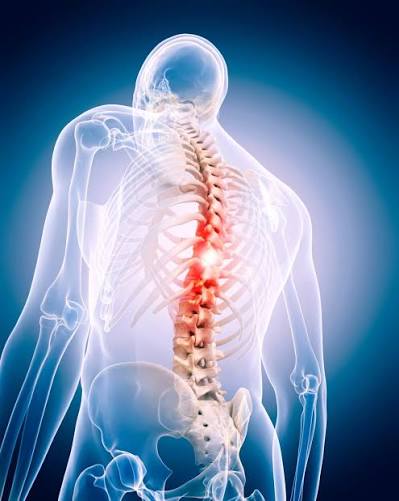
Back pain is extremely common, but not every episode of back pain means you need spine surgery. In many cases, pain improves with rest, medication, physiotherapy, exercise and other non-surgical treatments. However, some spinal conditions can cause persistent pain, nerve compression, weakness or problems with movement that may eventually require surgical treatment.
So, when is spine surgery necessary? The answer depends on the underlying condition, severity of symptoms, response to non-surgical treatment and whether the nerves or spinal cord are being affected.
A detailed evaluation by an experienced spine specialist can help determine whether surgery is genuinely required or whether another treatment approach may be more appropriate.
What Is Spine Surgery?
Spine surgery refers to surgical procedures used to treat conditions affecting the vertebrae, discs, spinal nerves and spinal cord. Depending on the diagnosis, different procedures may be considered, including discectomy, laminectomy, spinal fusion, disc replacement and minimally invasive or endoscopic spine surgery.
Modern spine surgery has also evolved significantly. Minimally invasive and endoscopic techniques can allow surgeons to treat selected spinal conditions through smaller incisions, potentially reducing tissue damage and supporting faster recovery in appropriate patients.
However, the type of spine surgery required depends entirely on the patient’s condition. There is no single procedure that is suitable for everyone.
When Is Spine Surgery Necessary?
1. Persistent Pain Despite Non-Surgical Treatment
One of the most common reasons spine surgery may be considered is persistent pain that does not improve despite appropriate conservative treatment.
Doctors may initially recommend treatments such as:
- Physiotherapy
- Prescription or over-the-counter medication
- Activity modification
- Targeted exercises
- Lifestyle changes
- Injections in selected cases
If symptoms continue despite an adequate course of treatment and significantly interfere with everyday activities, a spine surgeon may evaluate whether surgery could provide better relief.
Importantly, surgery is generally not the first treatment for ordinary back pain. Most cases do not require an operation.
2. Nerve Compression Causing Leg or Arm Pain
Sometimes the problem is not just back or neck pain. A damaged or displaced disc can put pressure on a spinal nerve, resulting in symptoms such as pain travelling down the leg or arm.
For example, a herniated disc in the lower back may cause sciatica, while a cervical disc problem can cause pain, tingling or weakness extending into the arm.
If nerve compression produces persistent or severe symptoms and does not respond adequately to conservative treatment, spine surgery may be considered.
Procedures such as discectomy remove the portion of the disc pressing on a nerve.
3. Progressive Muscle Weakness or Numbness
Pain is not the only factor doctors consider when deciding whether spine surgery is necessary.
Progressive neurological symptoms can be more concerning. These may include:
- Increasing muscle weakness
- Persistent numbness
- Difficulty lifting the foot or hand
- Difficulty walking
- Loss of coordination
- Increasing difficulty standing or performing daily activities
When a compressed nerve begins affecting muscle function, delaying appropriate treatment may increase the risk of lasting nerve problems. A spine specialist should evaluate these symptoms promptly.
4. Spinal Stenosis
Spinal stenosis occurs when the spaces within the spine become narrowed, potentially putting pressure on the spinal cord or nerves.
Some people with spinal stenosis can manage their symptoms with medication, physiotherapy and lifestyle modifications. However, severe or persistent symptoms may require surgical decompression.
A procedure such as laminectomy can create more space for the spinal nerves or spinal cord by removing part of the bone that is contributing to the narrowing.
The decision to undergo surgery depends on the severity of symptoms, imaging findings and the patient’s overall condition.
5. Severe or Recurrent Slipped Disc
A slipped or herniated disc does not automatically mean that surgery is required. Many patients improve without an operation.
However, spine surgery for a slipped disc may be considered when symptoms remain severe, conservative treatment has failed, or there is significant nerve compression accompanied by neurological problems.
According to Mayo Clinic, surgery may be considered when symptoms persist despite treatment or when there is serious pain, significant weakness or numbness, difficulty walking or loss of bladder or bowel control.
6. Spinal Fractures or Instability
Spinal fractures can occur following accidents, falls or trauma. They can also occur in people with weakened bones, including osteoporosis.
Some fractures can be treated without surgery. However, surgery may be necessary when there is significant spinal instability, neurological involvement, deformity or a fracture that cannot be adequately managed with conservative treatment.
Depending on the condition, procedures such as spinal fixation, vertebral augmentation or other reconstructive techniques may be considered.
7. Serious Spinal Conditions
In certain situations, spine surgery may be recommended for conditions that require urgent or specialised treatment. These can include certain spinal tumours, infections, severe deformities or conditions causing significant spinal cord compression.
For example, a spinal tumour that compresses the spinal cord or creates spinal instability may require surgical intervention depending on its location, size and characteristics.
The goal of surgery in these situations may be to relieve pressure, stabilise the spine, preserve neurological function or treat the underlying condition.
Is Spine Surgery Always the Best Option?
No. Spine surgery is not automatically the best treatment simply because an MRI shows a disc bulge, degeneration or another abnormality.
Imaging findings need to be interpreted alongside the patient’s symptoms and physical examination. Some people have spinal changes on an MRI without experiencing significant symptoms.
This is why an experienced spine surgeon should evaluate the complete clinical picture before recommending surgery.
A second opinion can also be valuable when major spinal surgery has been recommended, particularly when the diagnosis or treatment options are unclear.
What Are the Different Types of Spine Surgery?
Depending on the condition, a spine surgeon may recommend different procedures, including:
- Discectomy: Removal of part of a damaged disc pressing on a nerve.
- Laminectomy: Removal of part of the vertebral bone to relieve pressure on nerves or the spinal cord.
- Spinal fusion: Joining two or more vertebrae to provide stability.
- Disc replacement: Replacing a damaged spinal disc with an artificial disc in selected patients.
- Minimally invasive spine surgery: Uses smaller incisions and specialised techniques for suitable conditions.
- Endoscopic spine surgery: Uses an endoscope and specialised instruments to access and treat certain spinal problems through a small access point.
The choice depends on the diagnosis, spinal level, severity of nerve compression, stability of the spine and overall health.
Why Choose an Experienced Spine Surgeon?
Choosing the right specialist is an important part of planning spine surgery. The surgeon should carefully evaluate whether surgery is actually necessary and explain both surgical and non-surgical options.
Dr. Gaurav M is among the leading spine surgeons in Bangalore, with expertise in minimally invasive and endoscopic spine procedures as well as open spine surgery. His qualifications include MBBS, MS in Orthopaedics, a fellowship in spine surgery from Sanjay Gandhi Institute of Trauma and Orthopaedics, and fellowship training in full endoscopic spine surgery in Germany.
He has a particular interest in endoscopic spine surgery and treats a range of spinal conditions using both minimally invasive and conventional surgical approaches when appropriate.
For patients looking for the best spine surgeon in Bangalore, Dr Gaurav M provides individualised evaluation and treatment planning based on the patient’s symptoms, examination and diagnostic findings.
When Should You See a Spine Surgeon?
You should consider consulting a spine specialist if you have:
- Back or neck pain that continues despite treatment
- Pain radiating into your arms or legs
- Persistent numbness or tingling
- Muscle weakness
- Difficulty walking or standing
- Repeated episodes of severe back pain
- Symptoms caused by a known slipped disc or spinal stenosis
- A spinal fracture or injury
- Symptoms that are progressively getting worse
Sudden loss of bladder or bowel control, severe weakness, or rapidly progressing neurological symptoms require urgent medical evaluation rather than waiting for a routine appointment.
Final Thoughts
Spine surgery is not usually the first solution for back pain. Many spinal problems can improve with appropriate non-surgical treatment. However, when pain remains disabling, a nerve or spinal cord is significantly compressed, neurological symptoms are progressing, or the spine has become unstable, surgery may become an appropriate treatment option.
The most important step is obtaining an accurate diagnosis and understanding all available treatment options. An experienced spine surgeon in Bangalore can help determine whether you need surgery, minimally invasive treatment or continued non-surgical care.
If you are experiencing persistent back or neck pain, nerve-related symptoms or difficulty with movement, consult a qualified spine specialist for an individualized assessment before deciding on spine surgery.